


Understanding Tricone IADC Codes: The Key to Selecting the Right Drill Bit
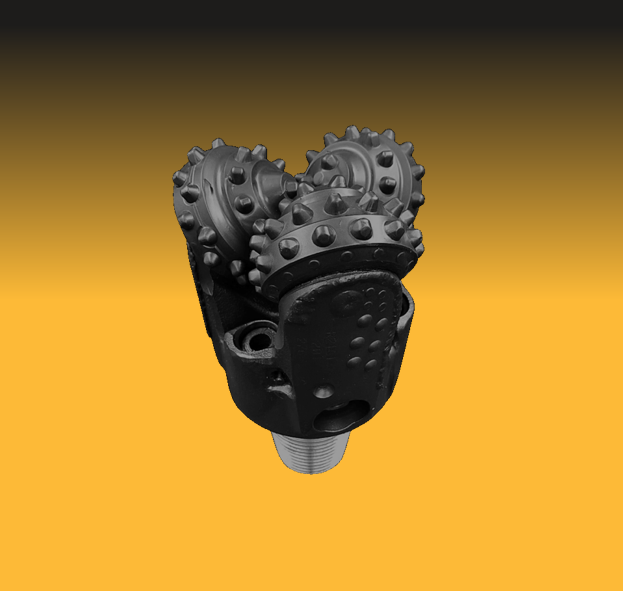
When it comes to horizontal directional drilling (HDD), choosing the right drill bit is essential for efficiency and success. Tricone bits are among the most popular choices for drilling through various soil and rock formations. To help drillers communicate their needs clearly and select the best bit for their application, the International Association of Drilling Contractors (IADC) developed a standardized coding system known as Tricone IADC Codes.
What Are Tricone IADC Codes?
The IADC Code for Tricone Bits defines the specific features of a drill bit, allowing drillers and suppliers to easily describe and understand the type of bit needed for a particular rock formation. This system ensures the selection of the correct bit based on formation hardness, bearing type, and additional functionalities.
Breakdown of the IADC Code Structure
The IADC code consists of four characters, each representing key attributes of the tricone bit:
1. Tooth / Button Type (First Digit)
- 1, 2 & 3 – Steel Mill Tooth Bits
(1 for soft, 2 for medium, and 3 for hard formations) - 4, 5, 6, 7 & 8 – Tungsten Carbide Insert Bits
(4 is the softest and 8 is the hardest)
2. Formation Type to be Drilled (Second Digit)
- 1 – Soft formations
- 2 – Medium-soft formations
- 3 – Medium-hard formations
- 4 – Hard formations
3. Bearing/Seal Type & Gauge Protection (Third Digit)
- 1 – Standard open bearing roller bit
- 2 – Standard open bearing roller bit, air-cooled
- 3 – Standard open bearing roller bit with gauge protection (carbide inserts in heel of cone)
- 4 – Sealed roller bearing bit
- 5 – Sealed roller bearing bit with gauge protection
- 6 – Journal sealed bearing bit
- 7 – Journal sealed bearing bit with gauge protection
4. Additional Features (Fourth Digit, Letter)
Additional features specify specialized bit functions or designs:
- A – Air Application
- B – Special Bearing
- C – Center Jet
- D – Deviation Control
- E – Extended Jet
- G – Extra Gauge Protection
- H – Horizontal/Steering Application
- J – Jet Deflection
- L – Lug Pads
- M – Motor Application
- R – Reinforced Welds
- S – Standard Steel Tooth
- T – Two Cone
- W – Enhanced Cutting Structure
- X – Chisel Insert
- Y – Conical Insert
- Z – Other Insert Shape
Why Are Tricone IADC Codes Important?
- Clear Communication: Simplifies the conversation between drillers and suppliers, ensuring the exact bit type is ordered.
- Optimal Performance: Helps select bits suited to specific rock hardness and drilling conditions.
- Reduced Costs: Avoids wrong bit purchases and reduces downtime caused by unsuitable equipment.
- Improved Durability: Correct bearing and seal types prolong bit life, especially in tough formations.
Conclusion
Understanding Tricone IADC Codes empowers drillers to make informed decisions when selecting drill bits, ultimately enhancing the success and efficiency of HDD projects. Whether drilling soft soils or hard rock, matching the right tooth type, bearing design, and additional features to your project requirements ensures optimal performance and durability.
For top-quality HDD drill bits and expert advice on bit selection using IADC codes, trust HDD Drilling Tools – your partner for precision and reliability in horizontal directional drilling.
Related Products


Need More Information?
Contact our team to discuss your drilling requirements or to learn more about our services.
Contact Us