


What Is Horizontal Directional Drilling (HDD)?
The complete guide to Horizontal Directional Drilling (HDD): process, tools, and benefits
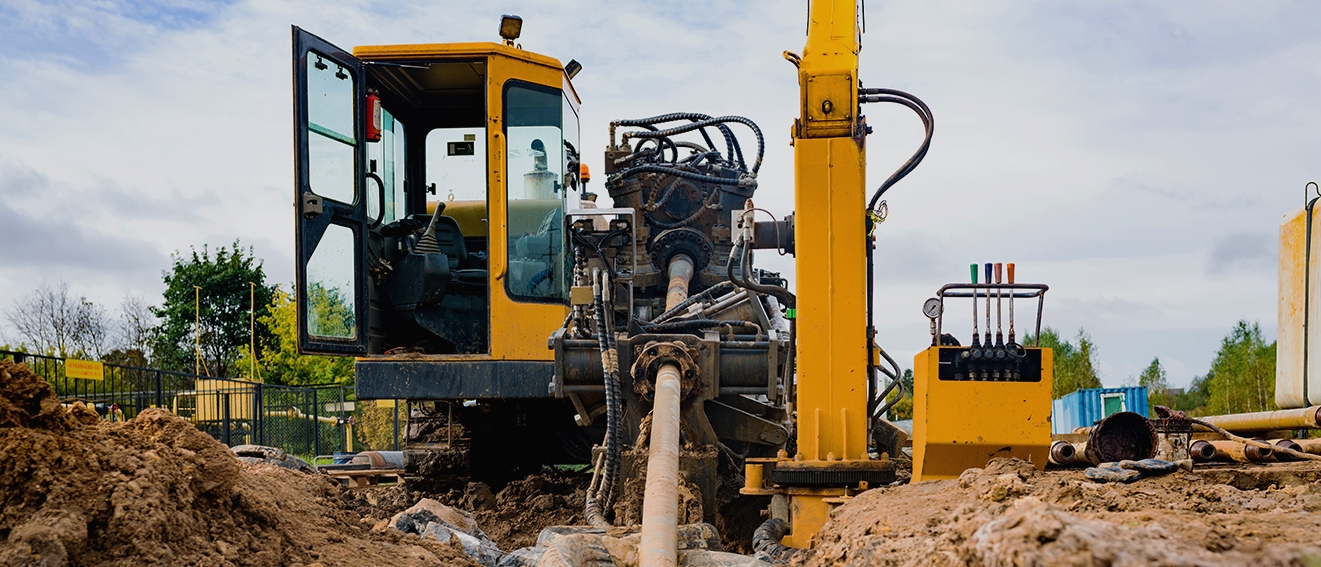
Horizontal Directional Drilling (HDD) is a way to install pipes or cables underground without digging up roads, rivers, or buildings. It avoids open trenches and keeps the surface area untouched. HDD is performed from the surface, preserving both above-ground and underground structures and minimizing environmental impact.
This advanced technique uses state-of-the-art drilling rigs and is suitable for projects of all sizes. HDD rigs are typically classified as mini, midi, or maxi, and can handle bore diameters ranging from as small as 25 mm up to 1,400 mm.
How Does Horizontal Directional Drilling Work?
The HDD process consists of three main phases:
1. Pilot Drilling
A steerable drill head creates a small-diameter pilot bore along a predetermined path. Guidance systems constantly monitor the position of the drill head, such as optical gyroscopes or walk-over tracking systems. The gyroscope determines the orientation of the drill head relative to true north, while software translates this data into real-time positional feedback.
2. Hole Enlargement (Reaming)
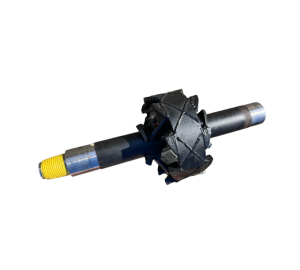
After the pilot bore is completed, reamers are used to enlarge the borehole, to accommodate the final pipe or conduit. Drilling fluid (also known as drilling mud) is used to transport cuttings to the surface and to maintain the stability of the borehole.
3. Product Pipe Installation (Pullback)
Once the borehole has reached the desired diameter, the pipeline or conduit is attached to the drill head and pulled back through the borehole to its final position.
Applications of HDD
Horizontal Directional Drilling is ideal for:
- Installing pipelines beneath rivers, canals, or railway tracks
- Crossing highways or major roads without traffic disruption
- Urban infrastructure projects with limited surface access
- Areas with high groundwater levels
When to Choose HDD?
HDD is the preferred solution when conventional excavation methods are impractical, costly, or pose safety and environmental risks. It is especially effective in projects involving complex underground utilities or in environmentally sensitive areas where minimal surface disruption is essential.
Related Products

Need More Information?
Contact our team to discuss your drilling requirements or to learn more about our services.
Contact Us