


What Is a Crossover (X-Over) in HDD Drilling?
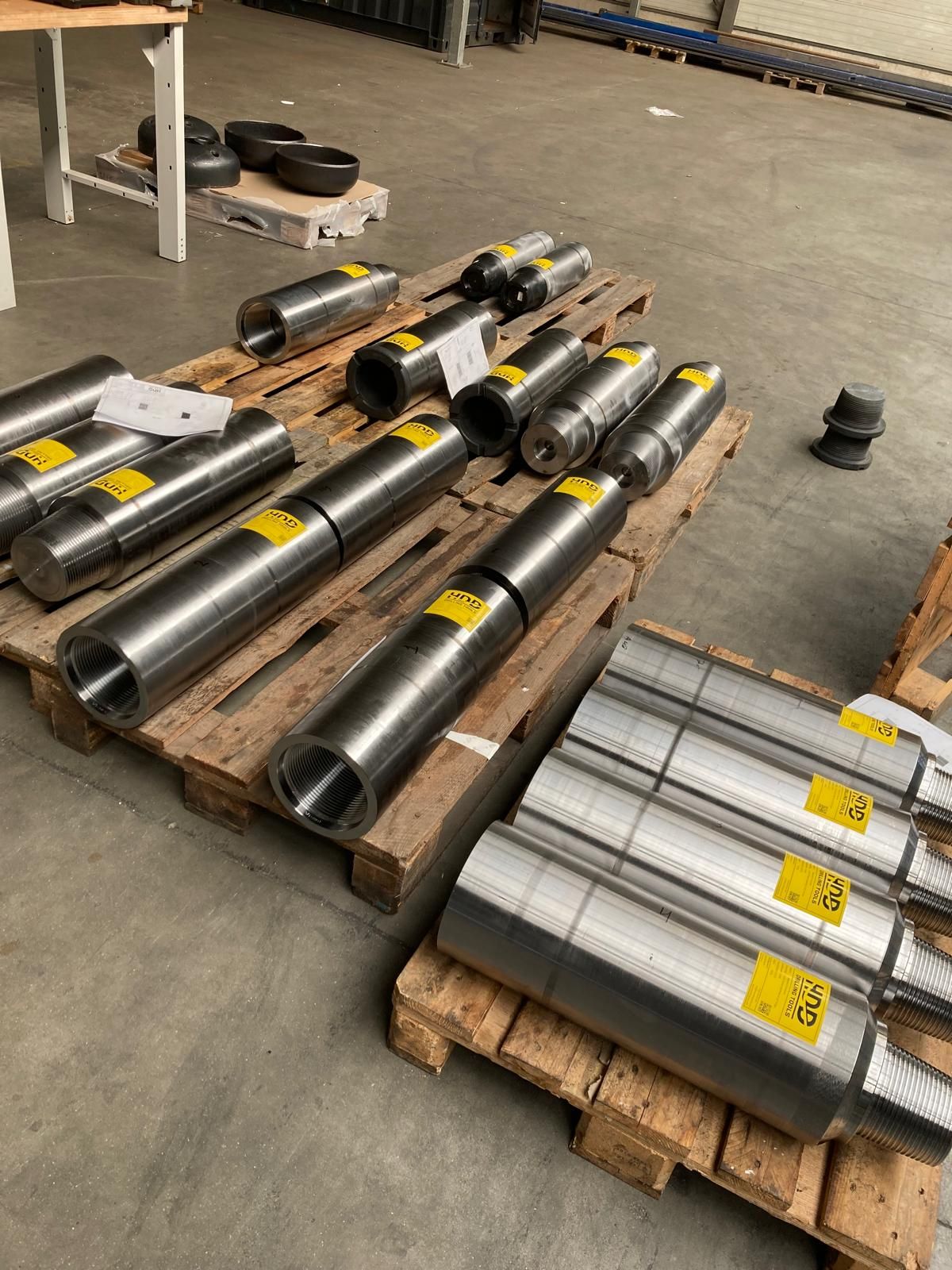
In horizontal directional drilling (HDD), compatibility between tooling components matters a lot. One of the most commonly used connection tools is the crossover, also known as an X-over. Although relatively simple in design, a crossover plays a critical role in connecting different HDD tools and thread types within a drill string.
What Is a Crossover (X-Over) in HDD Drilling?
A crossover in HDD drilling is a short adapter component that lets you connect two tools with different thread sizes or thread types. Each end has a different thread, so you can integrate tools that would otherwise be incompatible.
Crossover adapters transmit:
- Torque
- Thrust and pullback forces
- Axial and torsional loads
while maintaining a secure mechanical connection within the drill string.
Why Use a Crossover in HDD Operations?
You use crossovers whenever HDD tooling components do not share the same thread connection. For example:
- Connecting drill rods to downhole tools with different threads
- Adapting tooling from various manufacturers
- Integrating legacy equipment with modern HDD systems
- Increasing flexibility in tooling configurations
By using a crossover, drillers maximize their existing tooling inventory without reducing performance.
Typical Applications of Crossovers in HDD
Crossovers appear in many HDD operations:
- During pilot drilling setups
- While backreaming and pulling back the product
- In configurations with mixed thread standards
- In temporary or project-specific tool assemblies
Drillers typically install crossovers between:
- Drill pipe and reamers
- Drill rods and housings
- Subs, swivels, or specialty tooling
Design and Strength Requirements
HDD crossovers must withstand high torsional loads and extreme push-and-pull forces. Manufacturers construct them from high-strength alloy steel and machine the threads precisely to ensure long service life.
This design guarantees that crossovers handle repeated make-up and break-out cycles and perform reliably even in the harshest drilling conditions.
Types of HDD Crossovers
Common crossover configurations include:
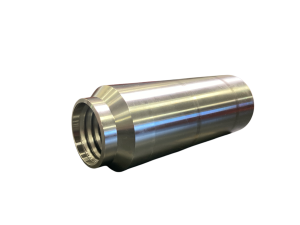
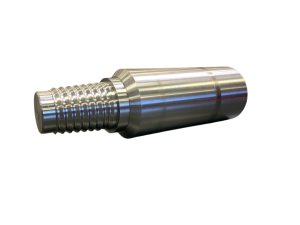
- Male × Female (pin x box)
- Male × Male (pin x pin)
- Female × Female (box x box)
Each type fits specific tooling requirements and thread standards.
Crossover vs Standard Sub
| Feature | Crossover (X-Over) | Standard Sub |
|---|---|---|
| Thread types | Different | Same |
| Function | Connect incompatible tools | Extend or space tools |
| Fluid circulation | Allowed | Allowed |
| Typical use | Compatibility | Extension / spacing |
Conclusion
A crossover (X-over) in HDD helps drillers connect tools with different thread standards. By providing a strong, reliable mechanical interface, crossovers enable flexible, efficient, and cost-effective HDD operations.
At HDD Drilling Tools B.V., we design crossovers that meet the highest standards for strength, durability, and compatibility with modern HDD systems. Contact our team to select the right crossover for your drilling project.
Related Products
Need More Information?
Contact our team to discuss your drilling requirements or to learn more about our services.
Contact Us