


Understanding PDC IADC Codes: A Guide for Drill Bit Selection
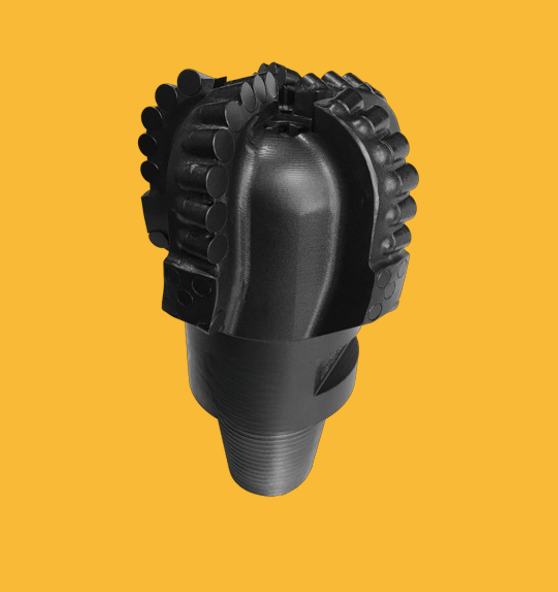
Choosing the right drill bit is essential for efficient, cost-effective drilling operations. The PDC IADC codes system helps engineers and suppliers classify Polycrystalline Diamond Compact (PDC) bits based on formation type, cutter size, bit profile, and body material. Understanding PDC IADC codes allows drilling professionals to select the optimal bit for specific geological conditions, improving performance and reducing wear. This guide breaks down everything you need to know about these codes so you can confidently choose the right PDC bit for your rock formation.
What Are PDC IADC Codes?
PDC IADC codes are a standardized system adapted from the IADC classification for Tricone bits. They help categorize PDC drill bits according to their application, making it easier to communicate specifications and improve drilling performance.
Each PDC bit is assigned a 4-part code that defines:
- Formation type to be drilled
- Bit profile
- Cutter size and structure
- Body type (Steel, Matrix, or Diamond)
1. Formation Type: Understanding Rock Hardness
The first digit in the IADC code (ranging from 1 to 8) indicates the hardness and drillability of the formation
| Code | Formation Type | Description |
|---|---|---|
| 1 & 2 | Very Soft | Clay, gumbo, marl, and unconsolidated sands. Highly drillable and sticky formations. |
| 3 | Soft to Medium | Low compressive strength shales, sands, and anhydrites with hard interbedded layers. |
| 4 | Medium | Chalk, shale, and anhydrite with moderate compressive strength. |
| 5 | (No code currently assigned) | — |
| 6 | Medium to Hard | Semi-sharp sand, shale, lime, and anhydrite with higher compressive strength. |
| 7 | Hard | Formations with sharp layers of sand or siltstone and high compressive strength. |
| 8 | Extremely Hard | Dense, abrasive formations like quartzite and volcanic rock. |
2. Bit Profile: Shape and Drilling Efficiency
The second digit defines the bit profile, which affects hole cleaning, weight distribution, and Rate of Penetration (ROP):
| Code | Bit Profile | Description |
|---|---|---|
| 1 | Short fishtail | Aggressive and fast cutting. |
| 2 | Short profile | Balanced between speed and control. |
| 3 | Medium profile | Standard design for various formations. |
| 4 | Long profile | Provides better stabilization in deeper holes. |
3. Cutter Size and Cutting Structure
The third digit represents the size and type of cutters, based on the expected hardness of the formation.
For Softer Formations (Codes 1–4):
| Code | Cutter Size | Description |
|---|---|---|
| 2 | 16mm cutters | For very soft to soft formations. |
| 3 | 13mm cutters | Standard for soft to medium formations. |
| 4 | 8mm cutters | Higher durability for medium formations. |
For Harder Formations (Codes 6–8):
| Code | Structure Type | Description |
|---|---|---|
| 1 | Natural Diamond | High wear resistance. |
| 2 | TSP (Thermally Stable Polycrystalline) | Good thermal and mechanical stability. |
| 3 | Combination | Mix of TSP and synthetic diamond for versatility. |
| 4 | Impregnated Diamond | For extremely hard, abrasive formations. |
4. Body Type: Steel, Matrix, or Diamond
The fourth character in the code is a letter representing the material used to construct the bit body:
| Code | Body Type | Description |
|---|---|---|
| S | Steel Body | Tough, repairable, ideal for soft formations. |
| M | Matrix Body | More wear-resistant, better in hard formations. |
| D | Diamond Body | Maximum durability in harsh, abrasive environments. |
Example: How to Read a PDC IADC Code
Let’s take the code: M443
- M – Matrix body, resistant to abrasion and wear
- 4 – For medium formations like chalk and shale
- 4 – 8mm cutters, ideal for stability in medium hardness
- 3 – Medium bit profile
This bit is suited for moderately hard formations where durability and a balanced cutting structure are essential.
Conclusion: Why PDC IADC Classification Matters
Understanding PDC IADC codes enables better communication between field engineers, suppliers, and drilling managers. It ensures the right PDC bit is chosen based on formation type, performance needs, and cost-efficiency. Using this classification system helps reduce bit wear, improve penetration rates, and optimize drilling operations — especially in complex or variable geological environments.
Need More Information?
Contact our team to discuss your drilling requirements or to learn more about our services.
Contact Us