


HDD Reamers for Horizontal Directional Drilling | Guide & Tips

What Does a Reamer Do in HDD?
An HDD reamer is a critical tool used in the second phase of the Horizontal Directional Drilling (HDD) process: hole enlargement. After the pilot bore is completed, the reamer is attached to the drill string and pulled back through the borehole. During this backreaming process, the reamer:
- Enlarges the borehole to the required diameter
- Removes excess soil and cuttings
- Prepares the bore path for pulling in pipes, ducts, or cables
A high-quality reamer improves drilling efficiency and minimizes risks like borehole collapse or excessive wear on the rig.
Why Choosing the Right Reamer Matters
Using the right reamer reduces wear on equipment, improves borehole stability, and increases the success rate of product pullback. The wrong reamer can lead to costly delays, failed installations, and unnecessary machine stress.
Types of HDD Reamers
At HDD Drilling Tools, we offer a full range of HDD reamers, each suited for different ground conditions and project types:
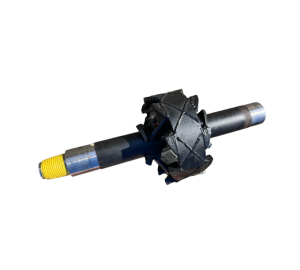
- Barrel Reamers
- Best for soft to medium soils. These cylindrical reamers deliver a straight, clean bore and are great for general-purpose enlarging.
- Fly Cutter Reamers
- Designed for clay, sand, and loam. Known for aggressive cutting and rapid spoil removal, ideal for faster production in soft conditions.
- Rock Reamers (PDC & Carbide)
- Built for hard and rocky ground. Equipped with conical teeth or carbide buttons to effectively cut through stone formations.
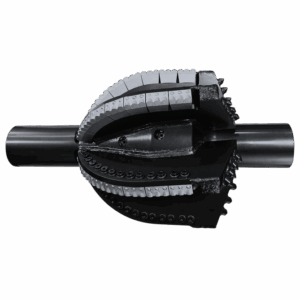
- Hole Opener Reamers
- Used for step-by-step hole enlargement. Preferred in large-scale projects requiring both precision and force.
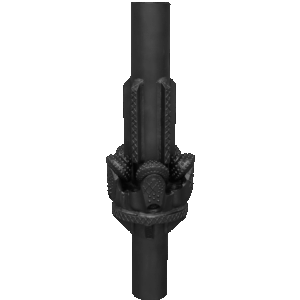
- Fluted Reamers (Kodiak Reamers / Tapered Reamers)
- Perfect for sand, silt, clay, and mixed soils. The fluted spiral design allows for efficient spoil discharge, while the bolt-on swivel provides smooth pullback and minimizes stress on the HDD rig. Not recommended for rocky or gravel-based soils.
Key Factors in Selecting the Right Reamer
- Soil Type – Clay requires different tools than rock or loose sand.
- Product Diameter – Borehole must be larger than the pipe or duct being installed.
- Drill Rig Capacity – Consider the torque and pullback force your machine can handle.
- Mud & Slurry Management – Use proper drilling fluids (e.g., bentonite) to stabilize the bore and carry out cuttings.
- Reusability – Some reamers are reusable depending on wear and maintenance.
Maintenance and Service Life
Regular inspection and maintenance are vital. Check for wear on cutting edges, hard-facing, and threads. Replace worn components in time to prevent damage or failure in the field.
Related Products

Need More Information?
Contact our team to discuss your drilling requirements or to learn more about our services.
Contact Us