


How to Optimize PDC Bit Performance in HDD Drilling
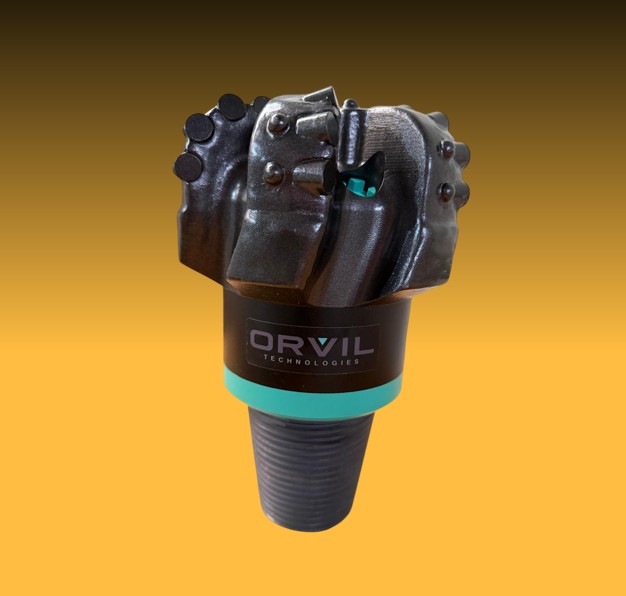
When it comes to HDD drilling, getting the best performance out of your PDC bit is all about control, consistency and understanding how your parameters interact. Running a PDC bit is not about brute force — it’s about balance.
Below is a practical guide to help you optimize your drilling performance and extend the life of your PDC bit.
The Key to Success
Successful PDC drilling comes down to three critical factors:
- Steady torque (consistent depth of cut)
- RPM low enough to shear, not grind
- Weight on Bit (WOB) set to maintain stable torque
If you can control these three, you are already ahead of most operators.
RPM: Don’t Grind — Shear
PDC bits are designed to shear rock, not grind it like sandpaper. Running too high RPM will reduce efficiency and increase wear.
Recommended RPM ranges:
- Soft to medium formations: 120 – 180 RPM
- Hard or abrasive formations: 70 – 140 RPM
Best practices:
- Always start at the lower end of the range
- In broken formations, gravel or cobble, reduce RPM even further
- Increase RPM gradually while monitoring torque
Weight on Bit (WOB): Find the Sweet Spot
WOB determines how aggressively the cutters engage the formation.
General guideline:
- 500 – 1,500 lbs per inch of bit diameter
Best practices:
- Start at the low end and increase gradually
- Harder formations typically require higher WOB
- Watch your torque response:
- Increasing torque = you’re in the sweet spot
- Spiking torque = too much WOB, risk of stalling
Torque: Your Most Important Feedback
Torque tells you everything about what’s happening downhole.
Target:
- Operate between 50% and 75% of available torque
If you are using a mud motor:
- Differential pressure = your torque indicator
What to look for:
- Stable torque → optimal cutting conditions
- Erratic torque → instability and cutter damage
- Torque oscillations → too much WOB and/or too low RPM
Step-by-Step Setup
Use this simple process to dial in your drilling parameters:
- Set RPM based on expected ground conditions
- Gradually increase WOB
- Monitor torque response
- Adjust until torque is stable within target range
- Perform a drill-off test to fine-tune performance
Final Thoughts
These guidelines provide a solid starting point, but no two formations are the same. Always adapt your parameters based on real-time feedback from the rig.
The goal is simple:
Stable torque = maximum efficiency + longer bit life
Master that, and your PDC bit will do the rest.
Looking to improve your HDD drilling performance?
At HDD Drilling Tools, we focus on practical solutions that help operators drill safer, faster and more efficiently.
Related Products

Need More Information?
Contact our team to discuss your drilling requirements or to learn more about our services.
Contact Us